
What Is Arc Welding? A Complete Guide to Arc Welding Techniques
By:Admin
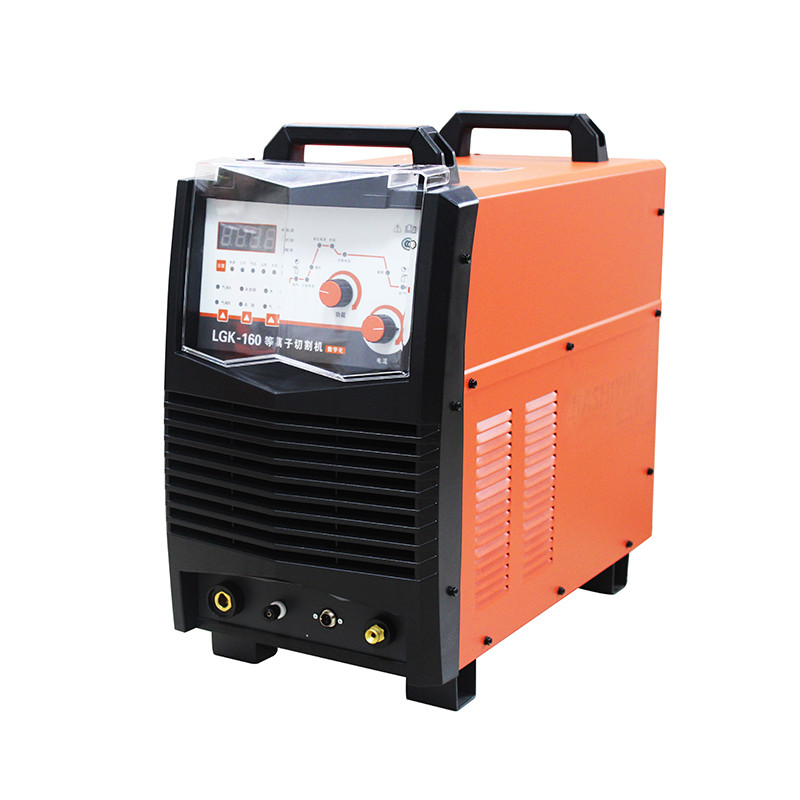
Arc welding is a widely used and essential metal joining process that employs an electric arc to melt and fuse metals together. Renowned for its efficiency, strength, and versatility, arc welding plays a critical role in various industries, including construction, automotive, aerospace, and manufacturing.
### What is Arc Welding?
Arc welding is a technique that uses an electrical current to create an arc between an electrode and the base metal. This intense heat generated by the arc melts the metals at the welding point, allowing them to fuse upon cooling. The process can be conducted using different types of electrodes—consumable or non-consumable—depending on the specific requirements of the welding task.
There are several variants of arc welding, including Shielded Metal Arc Welding (SMAW), Gas Metal Arc Welding (GMAW or MIG), and Gas Tungsten Arc Welding (GTAW or TIG), each suited for different materials and applications.
### Key Components of Arc Welding
1. **Power Source**: Provides the electrical energy necessary to create the arc. It can deliver either alternating current (AC) or direct current (DC), depending on welding needs.
2. **Electrode**: Acts as the filler material and conductor for the arc. Consumable electrodes melt into the weld pool, while non-consumable electrodes only conduct the current.
3. **Arc**: The electrical discharge that generates intense heat (up to 6,500°F or 3,600°C), sufficient to melt the base metals and electrode.
4. **Shielding Gas or Flux**: Protects the molten weld metal from atmospheric contamination, preventing oxidation, and ensuring a strong, durable weld.
### Advantages of Arc Welding
- **Strong and durable joints** capable of withstanding significant stress.
- **Versatility** in welding different metals, such as steel, aluminum, and cast iron.
- **Portability**: Many arc welding setups are compact and portable, suitable for fieldwork.
- **Cost-effectiveness**: Generally lower equipment and operational costs compared to other welding techniques.
### Industrial Applications
Arc welding is indispensable in sectors that require robust metal structures. It is utilized in building steel frameworks, automotive body fabrication, shipbuilding, pipeline installation, and repairing heavy machinery. This method ensures high-quality welds that maintain integrity even under extreme conditions.
### Company Introduction: Excellence in Welding Solutions
{} has been a leader in delivering exceptional welding solutions for years. With a focus on innovation, quality, and customer satisfaction, {} provides a comprehensive range of welding equipment, training, and support services tailored to meet the evolving needs of industries worldwide.
Committed to fostering technical expertise, {} offers extensive training programs for welding professionals, ensuring mastery of arc welding techniques and safety protocols. The company’s product lineup encompasses state-of-the-art welding machines compatible with diverse arc welding processes, enabling users to achieve optimal performance and efficiency.
{}’s dedication to quality extends beyond products to include responsive customer service and after-sales support, positioning the company as a trusted partner in clients' success.
### The Future of Arc Welding
As technology advances, arc welding continues to evolve with innovations such as automated welding systems, enhanced power sources, and environmentally friendly consumables. These developments aim to improve weld quality, increase production speed, reduce operator fatigue, and minimize environmental impact.
Additionally, ongoing research explores the application of digital monitoring and control systems in arc welding to enhance precision and repeatability, crucial for industries with stringent quality standards.
### Conclusion
Arc welding remains a cornerstone technique in metal fabrication and repair, offering robust and versatile solutions for various industries. Understanding its principles, components, and benefits is vital for professionals and businesses aiming to leverage its full potential.
With industry leaders like {}, the future of arc welding looks promising, marked by continuous innovation, improved safety standards, and expanded applications. Whether for heavy industrial projects or precision work, arc welding delivers reliable, high-strength joints that stand the test of time.